

Understanding 100% PTFE Needle Punched Filter Cloth Production: A Comprehensive Guide
Release time:
2026-02-05
When it comes to advanced filtration solutions, 100% PTFE needle punched filter cloth is gaining significant recognition. This material, known for its exceptional chemical resistance and high-temperature endurance, is a crucial component in various industrial applications. Understanding the production process and characteristics of PTFE filter cloth can greatly benefit manufacturers and engineers
When it comes to advanced filtration solutions, 100% PTFE needle punched filter cloth is gaining significant recognition. This material, known for its exceptional chemical resistance and high-temperature endurance, is a crucial component in various industrial applications. Understanding the production process and characteristics of PTFE filter cloth can greatly benefit manufacturers and engineers in the textile machinery sector.
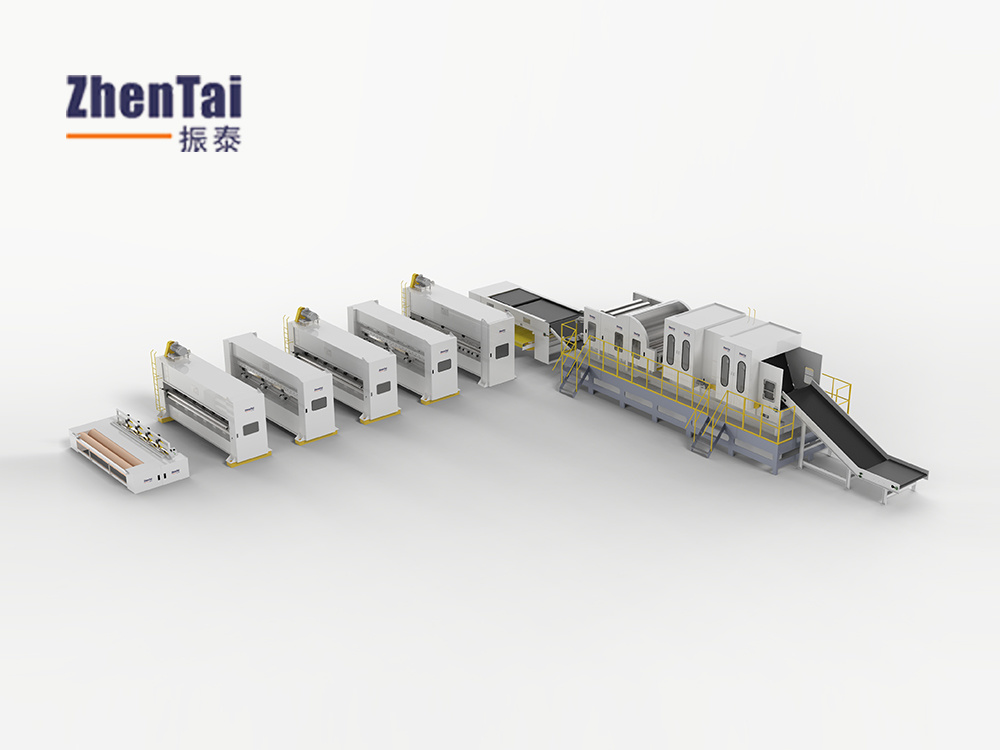
Manufactured using a needle punching technique, 100% PTFE needle punched filter cloth is created through a process that interlocks the fibers, resulting in a sturdy and durable fabric. This technique not only enhances the mechanical properties of the cloth but also provides excellent filtration efficiency. The needle punching method ensures that the fibers retain their integrity even under challenging operational conditions, making them suitable for a wide range of applications.
One of the standout features of PTFE filter cloth is its outstanding chemical resistance. PTFE, or polytetrafluoroethylene, is known for its ability to withstand aggressive chemicals, making it an ideal choice for industries such as pharmaceuticals, food processing, and petrochemicals. This chemical inertness allows the filter cloth to maintain its performance and longevity, even in harsh environments.
Another significant advantage of 100% PTFE needle punched filter cloth is its thermal stability. The material can operate effectively at elevated temperatures, which is essential in processes such as hot gas filtration. This thermal resistance ensures that the cloth does not degrade or lose its filtering capabilities when exposed to high temperatures, providing reliable performance over time.
Moreover, the design versatility of PTFE filter cloth allows for customization. Manufacturers can tailor the thickness, weight, and filtration rating of the cloth to meet specific process requirements. This flexibility makes it a sought-after solution for various filtration applications, including liquid and gas filtration, dust collection, and more.
In conclusion, 100% PTFE needle punched filter cloth is a remarkable material that stands out in the textile machinery industry for its durability, chemical resistance, and thermal stability. Understanding its production process and applications can provide manufacturers with the knowledge needed to select the right filtration solutions for their needs. As industries continue to evolve, the demand for high-performance filtration materials like PTFE filter cloth will undoubtedly grow, highlighting its importance in modern manufacturing processes.

Company address: Renyang Town, Changshu, Jiangsu Province, China
Copyright of the page:Changshu Zhentai Nonwoven Machinery Co., Ltd. Designed by:www.300.cn SEO